Pop Art Portraits
A 60s-Inspired AI Exploration of Bold Identity
01. Concept Overview
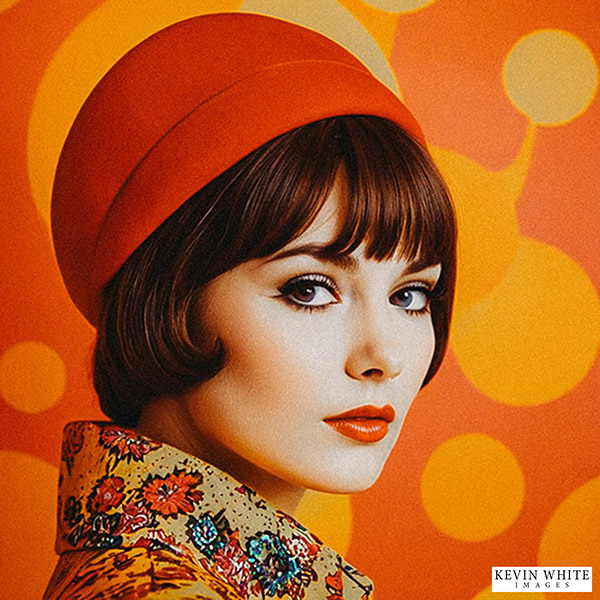
This project dives into the playful, high-contrast world of 1960s Pop Art, blending iconic visual tropes from Warhol, Lichtenstein, and mod fashion with AI-generated portraiture. The aim was to create a series that feels electric, graphic, and unmistakably retro, yet rooted in modern identity and technology. It’s an homage to the energy of print-era design, created entirely with digital tools.
02. Creative Goals
- Capture the graphic vibrancy of 60s Pop Art through portraiture
- Use bold colors, stylized makeup, and flat lighting to mimic silkscreen prints and comic book aesthetics
- Explore AI’s ability to understand and replicate stylized visual languages
- Develop a cohesive character-driven series rooted in pop culture, fashion, and emotion
03. The Process
Prompt Development
I began by referencing 60s fashion photographers, mod fashion photography, and 1960s advertising. Prompts included terms like:
- “Pop Art style portrait, high saturation, bold primary colors”
- “60s mod fashion, graphic eyeliner, halftone texture background”
- “silkscreen print effect, flat shadows, punchy color palette”
I experimented with both full color and halftone monochrome looks, and occasionally layered references to 60s comic panel style with dialogue text bubbles or dotted textures.
Iteration & Problem Solving
AI had difficulty maintaining:
- Precise graphic styling (particularly halftones or bold contour lines)
- Realistic fashion pieces from the era
- Emotional clarity through exaggerated makeup or stylization
To solve this:
- I used image-to-image workflows with references from actual 60s magazine covers and poster prints
- Post-processed backgrounds using vector-style graphic overlays and posterization filters
- Manually added halftone textures, dot overlays, and typographic elements to enhance the Pop Art finish
Post-Processing
After generation, each image was reworked with:
- Duotone and posterize filters to push the comic book aesthetic
- Saturation and color channel separation to mimic screen-printing errors
- Retro fonts and layout cues from vintage ads or album covers
- Optional animation elements for motion posters or short-loop video promos
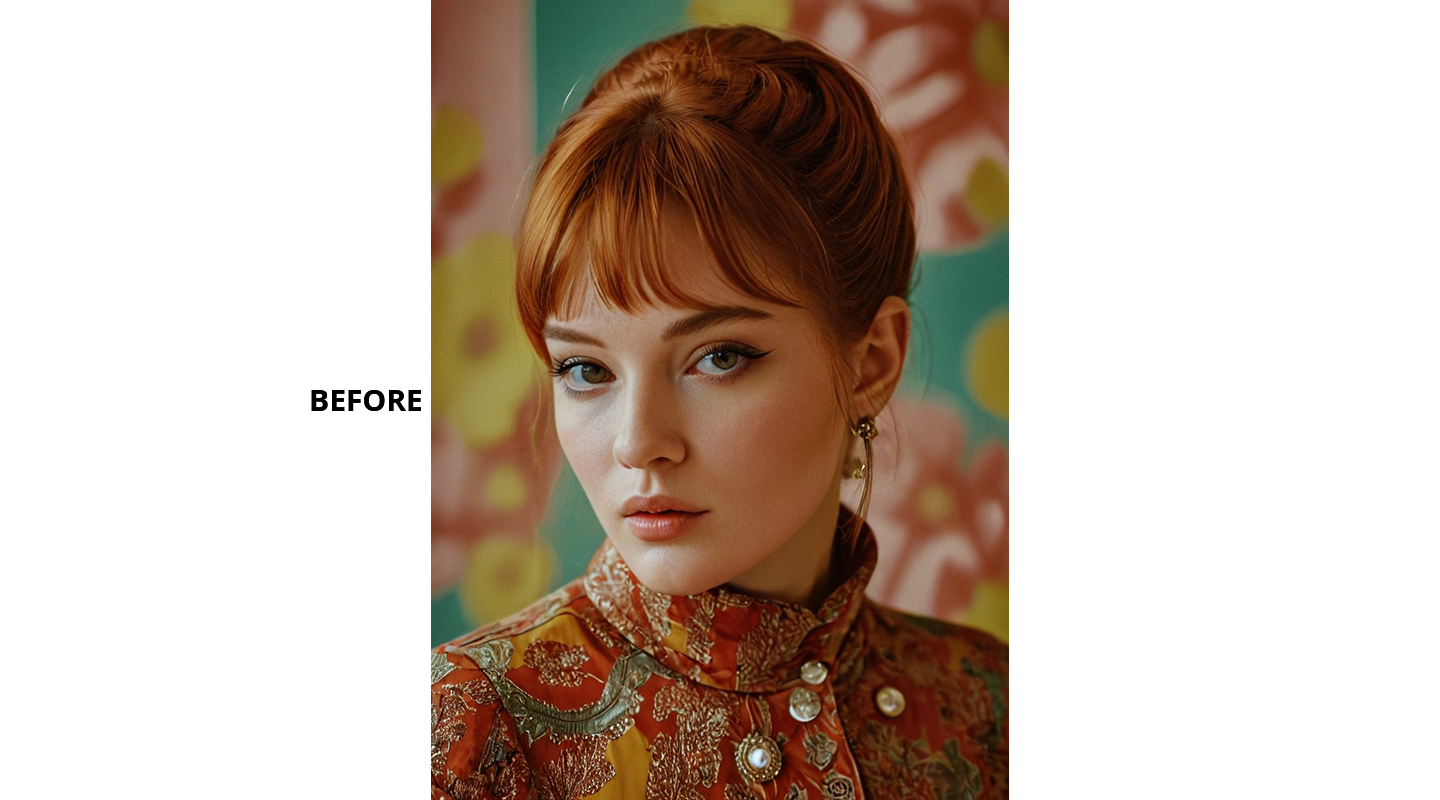
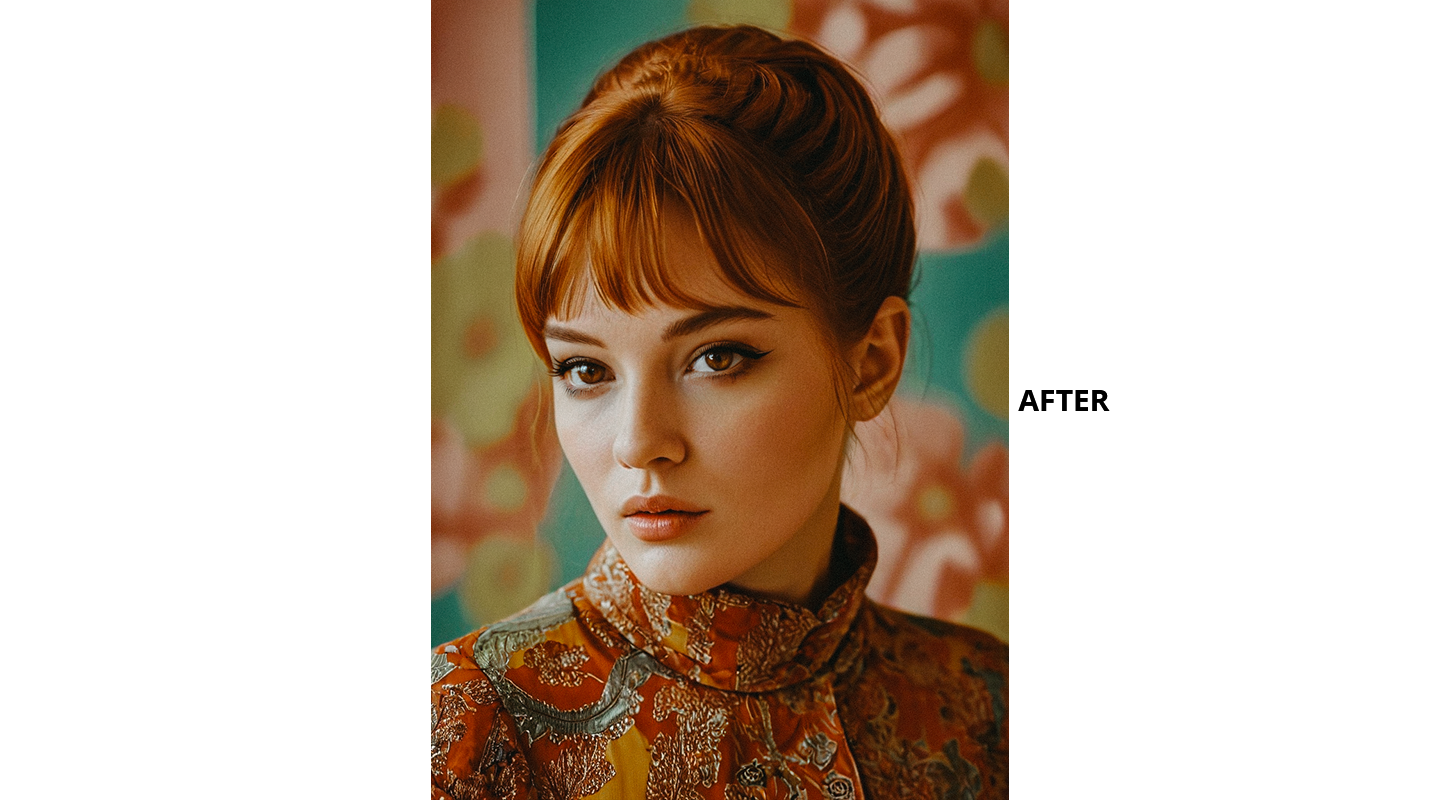
Visual example: Original prompted output and final edited output.
04. Outcome
The final portraits are playful, punchy, and personality-driven, capturing the spirit of a past era through the lens of emerging tools. These images walk the line between illustration, photography, and design, offering an alternative route to brand identity and creative portraiture that doesn’t rely on realism to make an impact.
05. Skills & Tools Used
- AI image generation (SwarmUI, Foocus + image-to-image workflow)
- Photoshop (posterization, vector-style editing, halftone textures)
- Color theory for print-era design
- Typography, layout, and retro design emulation
- Conceptual art direction for character and mood development
06. Applications & Adaptability
This visual style works well for:
- Music marketing and retro album artwork
- Youth-focused branding or fashion labels
- Themed editorial spreads or concept ads
- Social media campaigns looking for vintage-cool impact
07. Personal Reflection
This was one of the most liberating projects to create. It let me play with identity, humor, and style in a completely new way. I didn’t have to chase realism, I chased attitude. And it reminded me that storytelling doesn’t always need shadows and subtlety; sometimes, it needs a megaphone and neon lipstick.
