Hollywood Portraits
Cinematic AI Imagery Inspired by the 1940s
01. Concept Overview
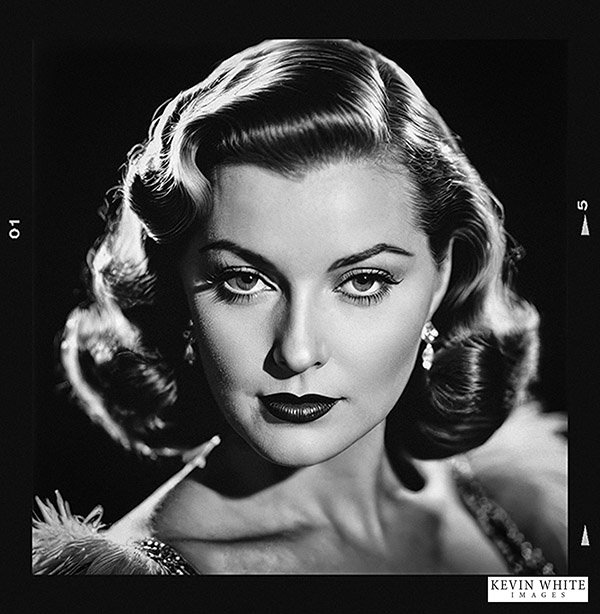
This personal project reimagines the golden age of Hollywood studio portraiture using modern AI image generation tools. Drawing inspiration from the work of Ruth Harriet Louise, Ernest Bachrach, Josef Von Sternberg, George Hurrell and the glamour of 1940s silver screen legends, the goal was to capture timeless elegance, dramatic lighting, and iconic poses, but through a contemporary digital process. The series is both a tribute and a technical exploration of how far creative tools have come.
02. Creative Goals
- Simulate authentic 3-point studio lighting (key, fill, rim)
- Emulate 1930s/1950s - era fashion, hair, and makeup styling
- Recreate vintage black-and-white film tonal range and grain
- Capture emotionally resonant expressions and powerful poses
- Blend AI-generated portraiture with traditional post-production techniques
03. The Process
Prompt Development
Initial prompts returned generic glamour shots with flat lighting and modern styling. I refined them by referencing specific lighting setups, historical figures, and vintage terminology (e.g., “cinematic studio lighting,” “1940s noir actress,” “soft diffusion lens”). Including lens types, film stocks, photographer and makeup references helped steer the output toward the desired era.
Iteration & Problem Solving
Common issues included overly symmetrical faces, modern hairstyles, and unrealistic lighting falloff and some models were not capable of producing the style of image I wanted no matter how I tweaked the prompt.
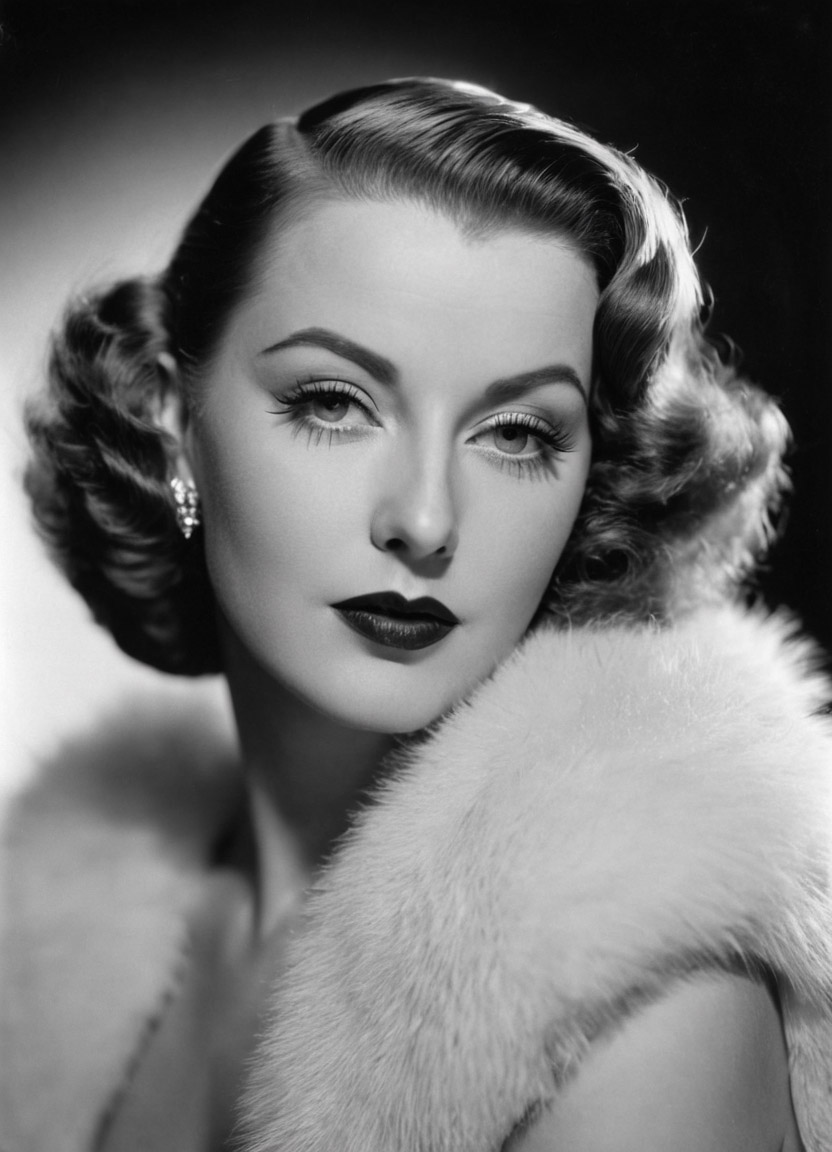
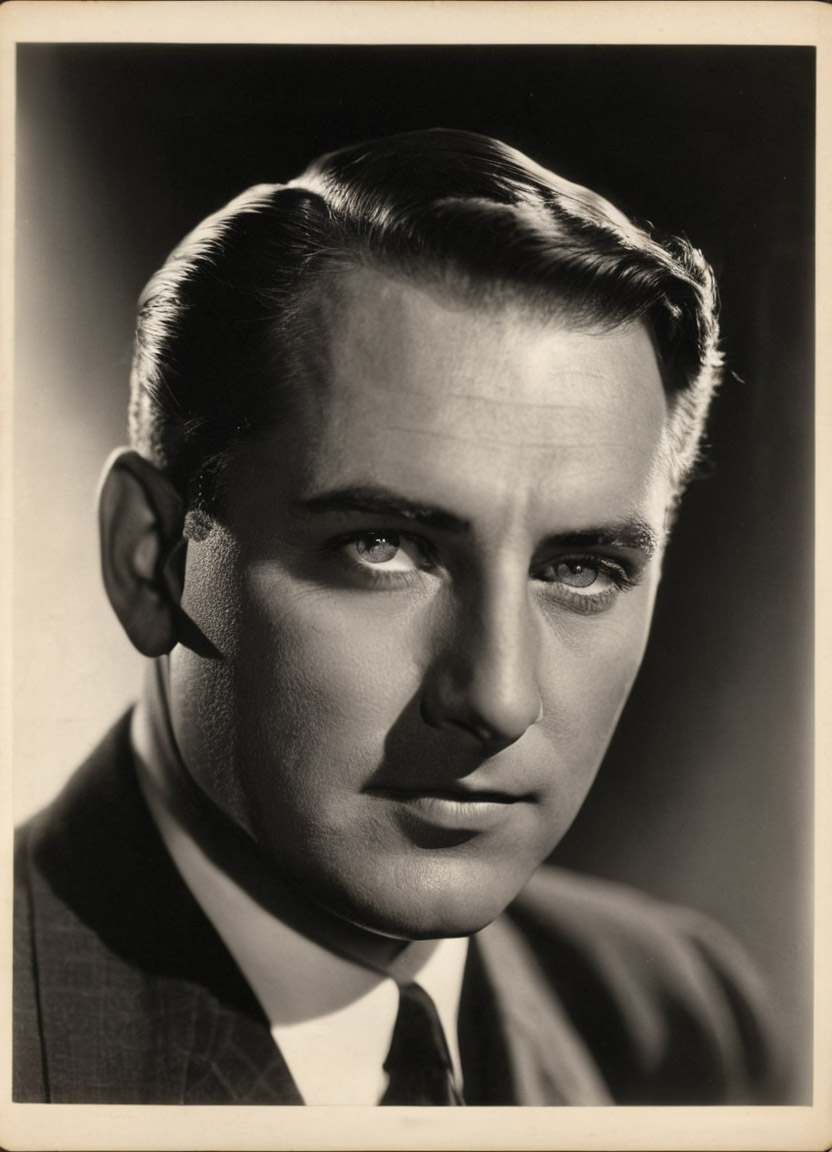
Visual example. Changing a few words in the prompt from 'Hollywood glamour portrait' to 'Hollywood film studio promotional photograph' can generate a completely different images output with some models.
To resolve this:
- I used AI’s image-to-image workflows with vintage lighting diagrams as visual input.
- I changed models to find one that more suitable to generate my required output.
- Prompt language was tailored for chiaroscuro shadows, narrow depth of field, and period-specific hair detail (e.g., “finger waves” or “mid-part retro waves”).
- I added keywords like “silver gelatin,” “film noir shadow play,” and “1930s–40s photographic lens flare” to prompt more realistic imperfections.
Post-Processing
Once the best base images were selected, I edited them using:
- Tri-X 400 and Ilford Delta film LUTs for tonal authenticity
- Split-tone monochrome grading (warm mids, cool shadows)
- Gentle dodging and burning to sculpt facial light and shadow
- Subtle film grain overlays and a vignette to echo large-format prints
04. Outcome
The final portraits successfully channel the moody, sculptural lighting and cinematic elegance of 1940s Hollywood, while embracing the creative potential of AI. The images live in a hybrid space, technically artificial, but emotionally real. They feel timeless, precise, and purposefully styled, just as classic Hollywood intended.
05. Skills & Tools Used
- AI image generation (SwarmUI, ComfyUI and Fooocus)
- Advanced prompt engineering (lighting and lens modeling)
- Adobe Photoshop (color grading, grain overlays, cleanup)
- LUT application (Kodak Tri-X, Ilford Delta)
- Visual reference sourcing (costume, makeup, studio sets)
06. Applications & Adaptability
This technique is highly adaptable for:
- Editorial campaigns requiring a vintage theme
- Music artists seeking cinematic portrait visuals
- Concept boards for film and theatre productions
- Brand storytelling in heritage fashion or luxury markets
07. Personal Reflection
This project allowed me to blend decades of analog photographic knowledge with today’s emerging creative tools. Having worked as both a lighting designer and a film photographer, I found the challenge of “teaching” AI to see light and texture as I do, deeply satisfying. The project reminded me that while tools change, the photographer’s eye remains timeless.