Fashion Editorial
High Fashion Imagined Through Digital Eyes
01. Concept Overview
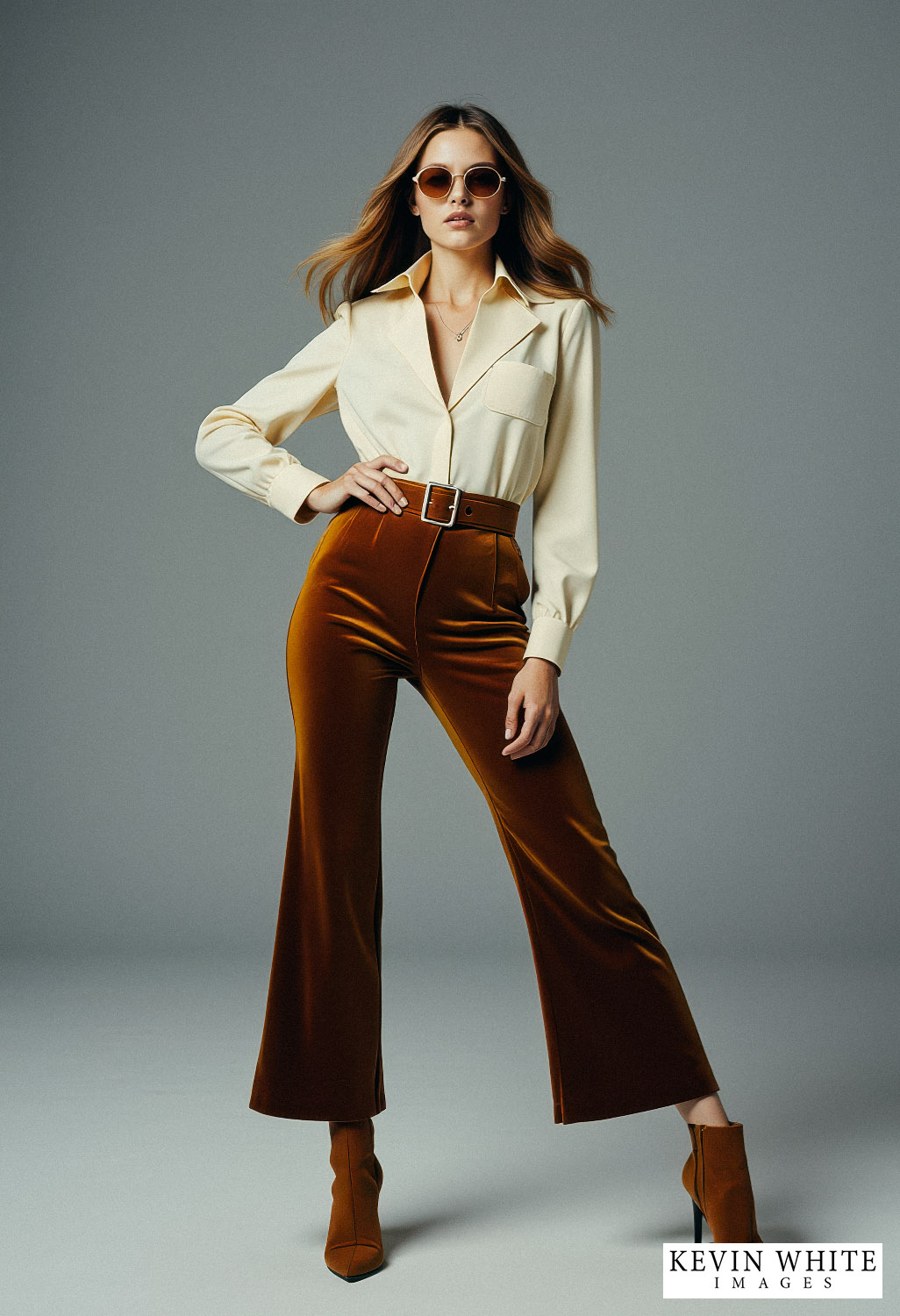
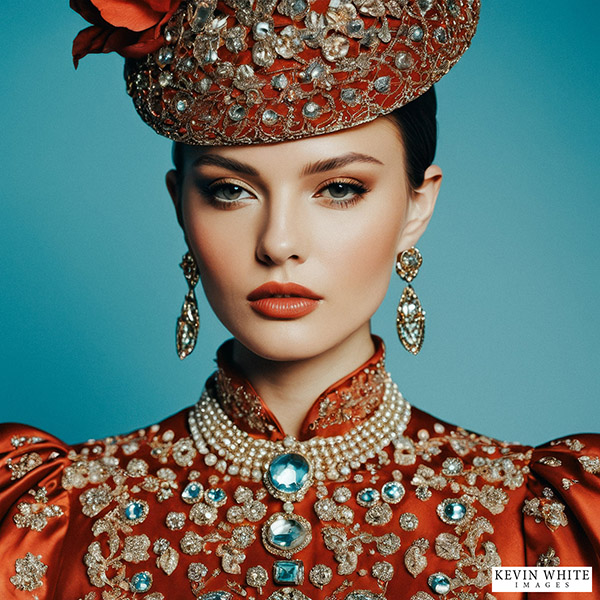
This series aims to capture the bold elegance and visual drama of high-end fashion editorials in the style of Vogue, using AI image generation as the foundation. Inspired by the refined poses, sophisticated lighting, and stylized compositions found in top-tier fashion spreads, the project explores how digital models, stylists, and photographers can exist within a purely virtual workflow, while still producing work that feels couture-level and editorially sharp.
02. Creative Goals
- Simulate full editorial spreads with consistency of theme and mood
- Emulate key fashion photography trends from the 90s to present (minimalist, avant-garde, street-luxe, etc.)
- Maintain believable posing, facial expressions, and styling
- Explore AI's ability to generate on-brand fashion looks from scratch
- Produce final imagery suitable for fashion publications, moodboards, or campaign concepts
03. The Process
Prompt Development
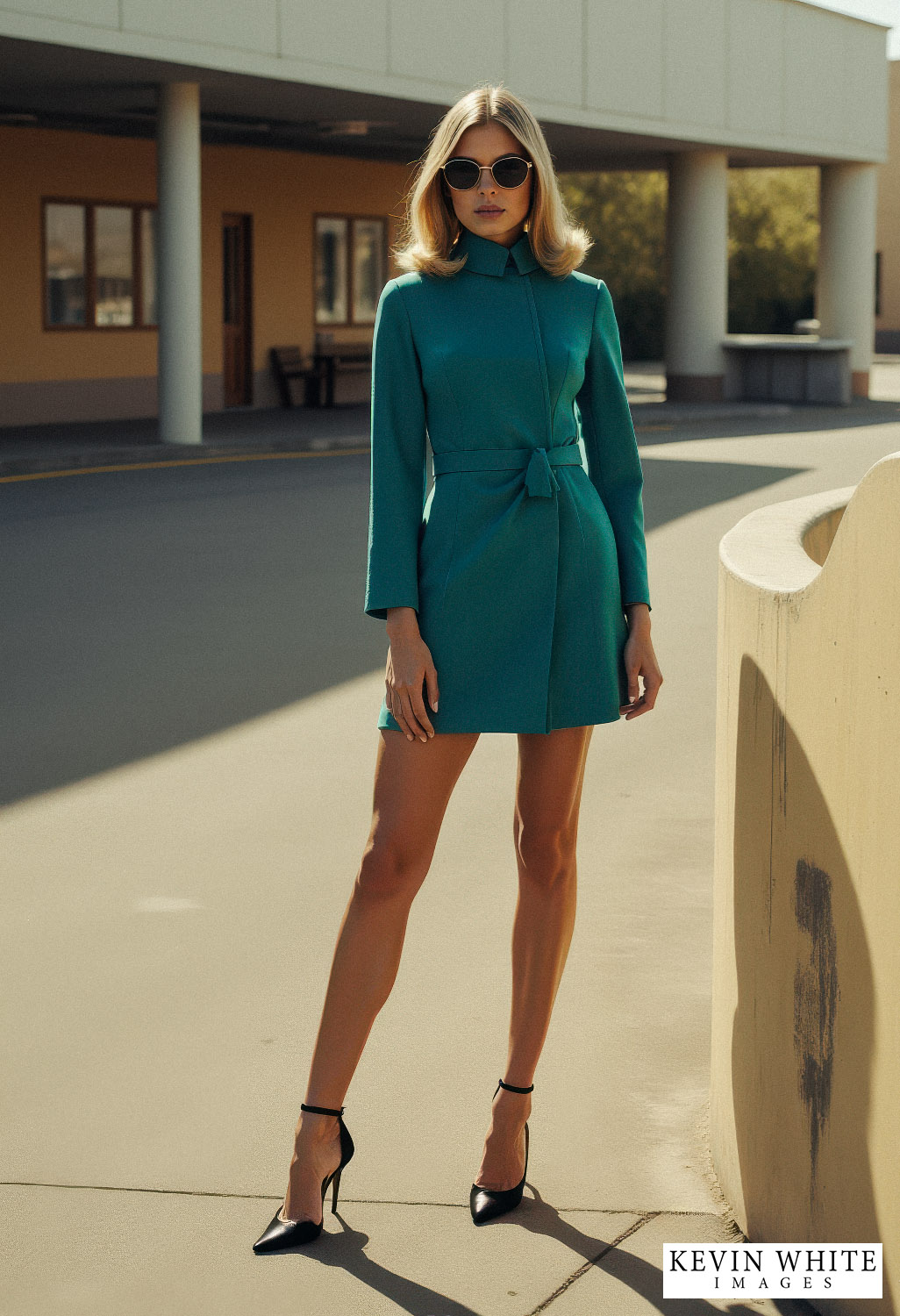
I began by referencing editorial styles from Vogue Paris, Vogue Italia, and i-D Magazine. Poses, model types, fashion designers, and photographic styles were integrated into the prompt structure (e.g., “1990s editorial style,” “neutral studio backdrop with hard directional lighting,” “editorial fashion model in oversized structured coat”).
Fashion-specific keywords such as "runway,” “editorial spread,” “avant-garde silhouette,” and "studio fashion shoot, shot on medium format film" helped add polish and realism.
Iteration & Problem Solving
Issues ranged from:
- Unrealistic garment detail or textures
- Facial warping or deadpan expressions
- Inconsistent styling across the series
To correct this:
- I layered iterative prompts using consistent themes and styling references (e.g., specific color palettes, time periods, fashion eras)
- I used image-to-image refinement to guide pose and facial engagement
- Some garments were post-edited or composited with texture overlays to create more realism
Post-Processing
Final edits were made to unify the images across the set, including:
- Color grading using modern fashion LUTs for rich neutrals or color blocking
- Subtle skin smoothing and digital dodge/burn for realistic retouching
- Background refinement and compositing to ensure studio consistency
- Cropping and layout testing for editorial spreads or covers
04. Outcome
The results reflect the crisp visual language of editorial photography, with controlled styling, believable fashion sensibility, and striking emotional tone. The AI-generated models and wardrobe pieces stand up visually alongside traditional photographic work, a testament to the merging of imagination and modern creative tooling.
05. Skills & Tools Used
- AI image generation (SwarmUI, ConfyUI and Foocus)
- Reference-based prompting for fashion consistency
- Photoshop retouching (skin, garment detailing, background cleanup)
- LUT application and editorial-style color grading
- Moodboard and spread layout design
06. Applications & Adaptability
This workflow is adaptable for:
- Concept development for fashion designers or stylists
- Previsualization for editorial or advertising shoots
- Album art or social branding for artists
- Custom lookbooks or campaign mockups
07. Personal Reflection
This project reinforced how much of fashion photography relies on the vision, not just the camera. By treating the AI as both model and muse, I was able to focus purely on the creative intent, styling, mood, lighting, and tone, without production constraints. It’s an empowering shift in the creative process and one I’m eager to keep pushing further.